
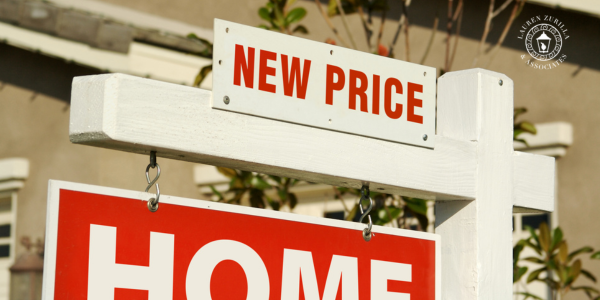
In a shifting Lowcountry market, price is everything — here’s how to tell if yours is working against you.
If your Charleston-area home has been sitting on the market longer than expected, the price may be the culprit. This article walks sellers through four key warning signs that a home is overpriced, explains why sharp pricing matters more than ever in today’s market, and offers practical guidance on what to do if you find yourself in this situation.
When you decided to list your home, you probably had a number in mind — a price that felt right, maybe based on what a neighbor sold for a year ago, or what you need to make the next move work. That’s completely understandable. But in today’s Charleston and Mount Pleasant real estate market, where inventory has grown and buyers are taking more time to shop around, overpricing a home is one of the most common — and costly — mistakes a seller can make.
The good news? There are clear signals that tell you when a price adjustment may be needed. Here’s what we look for when we’re working with sellers whose homes aren’t getting the traction they deserve.
1. Showings Are Slow — or Offers Aren’t Coming In
A healthy listing in the Charleston area should generate showing activity relatively early in the process. If the first few weeks have passed and you’re seeing minimal interest — very few showings and no offers — that’s the market sending you a message.
Today’s buyers are well-informed. Many have been searching for months, touring dozens of homes, and they develop a sharp sense of value in a particular price range and area. When a home appears overpriced relative to comparable properties, buyers simply move on. They may not even schedule a showing.
Low showing activity in the early weeks is one of the clearest signals that the listing price isn’t aligned with what buyers are seeing in the market.
2. Buyer Feedback Points to Price — Consistently
When showings do happen, feedback is one of the most valuable tools a seller has. We make it a priority to gather comments from agents and buyers after every showing and share that with our clients.
If the feedback is consistently pointing to price — comments like “it’s nice, but not at that price point” or “we found something comparable for less” — that’s important information. One comment might be noise, but when buyers are saying the same thing repeatedly, it’s time to take it seriously.
Feedback also helps us identify if there are other factors at play, like a condition issue or a feature that’s turning buyers off — which may be worth addressing before adjusting price.
3. The Listing Has Been Active for a While Without Results
Days on market matters — probably more than many sellers realize. In the Charleston area right now, inventory is higher than it was a few years ago, and buyers have more options to compare. A listing that lingers starts to raise questions: Is something wrong with the house? Why hasn’t anyone made an offer?
The longer a home sits, the more leverage shifts toward buyers. Some will use an extended market time as justification for a lower offer. Others will avoid the listing altogether. A stale listing is genuinely harder to sell — even after a price reduction — because the stigma of sitting tends to follow it.
This is why pricing accurately from the start is so much more effective than testing a high price and reducing later. A well-priced home generates early momentum, and that momentum creates competitive interest.
4. Similar Homes Nearby Are Selling — and Yours Isn’t
This one is hard to ignore. If comparable homes in your neighborhood or community have gone under contract while yours sits, it’s worth a direct comparison. Look at what those homes offered, how they were priced, and how quickly they moved.
Sometimes there are legitimate differences — condition, updates, location within a community, lot size — that explain why one home sells faster than another. But if a comparable home sold for meaningfully less than your current asking price, that sale is telling you something real about where the market is.
We review comparable sales with our clients regularly while their home is on the market, so we can make informed decisions together rather than reacting after too much time has passed.
What to Do If You See These Signs
The first step is an honest conversation with your agent about what the data is showing. A price reduction, when done thoughtfully and at the right time, can re-energize a listing and bring in new buyers who had previously passed it by. It’s not a defeat — it’s a strategic decision based on real information.
At Lauren Zurilla & Associates, we stay in close contact with our sellers throughout the entire listing period. We share weekly market updates, discuss showing feedback, and keep a close eye on what’s happening with comparable properties nearby. Our goal is to make sure you always have a clear picture of how your home is performing — and what options are available if an adjustment makes sense.
Pricing a home well from the beginning is one of the most impactful things we can do for our sellers. And when the market shifts, we’re here to help you navigate that with clear guidance and a steady hand.
Thinking About Selling in the Charleston Area?
If you have questions about pricing your home in Mount Pleasant, Charleston, or the surrounding Lowcountry communities, we’d love to talk. We offer no-obligation consultations and are happy to walk you through a current market analysis so you can make the most informed decision possible.
Ready to get started? Schedule your seller consultation here — we’d love to meet you.
Warmly,
Lauren, Tina, and Gigi
Lauren Zurilla & Associates — Your Charleston Area Real Estate Experts
Check out this article next