
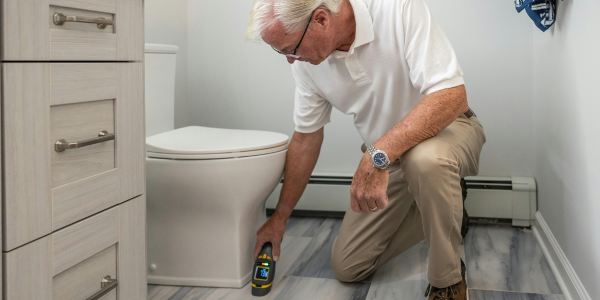
What happens if the home inspection finds problems—does it mean your deal is dead?
Selling your home in the Charleston or Mount Pleasant areas? Here’s what really happens if the buyer’s inspection finds problems during due diligence. This post breaks down the process, typical repair requests, how to respond strategically, and what to do if the buyer walks—so you can stay in control and protect your bottom line.
What the Inspection and Due Diligence Really Mean
Once your Charleston or Mount Pleasant home goes under contract, the due diligence period begins. During this time, buyers will likely schedule a general home inspection—and may bring in specialists for HVAC, plumbing, roofing, or structural evaluations. All inspections and repair negotiations, if needed, must be completed by the end of the due diligence period.
As the seller, you won’t typically see the full inspection report(s). Instead, you’ll receive a repair addendum, which is the buyer’s list of requested fixes. That’s the document you’ll actually negotiate—not every detail the inspector may have noted.
💡 Pro tip: In South Carolina, the CL100 (wood infestation report) is separate from the general inspection but can still impact your sale. Read our separate post on how to handle CL100 results.
Common Home Inspection Issues When Selling a House
Most repair requests fall into one of these categories:
Health and safety concerns – loose stair railings, exposed wiring, or trip hazards
Major system issues – older HVAC units, water heater or plumbing concerns, or electrical panel updates
Roof and structure – missing shingles, signs of moisture, or red flags underneath the house
Some buyers stick to essential concerns; others may try to use the inspection as a chance to renegotiate. That’s when your listing agent becomes your best asset—guiding you toward what’s reasonable and customary versus what’s just over the top.
How We Prepare Before the Inspector Ever Arrives
The best inspection strategy actually starts before your home hits the market.
At Lauren Zurilla & Associates, we:
Walk through your home with a “buyer’s inspector” mindset
Flag common issues you can fix easily ahead of time
Recommend simple repairs like replacing missing GFCIs, securing loose handrails, or patching leaks
Suggest bringing in a contractor for any known concerns to avoid surprises
You don’t need a fully renovated home—just a smart, proactive plan.
What Happens When the Repair Addendum Arrives?
Once the buyer submits their requested repairs, we shift into strategy mode. Together, we’ll:
Separate the list into major vs. minor concerns
Evaluate how each item might impact resale if this buyer walks
Consider your bottom line, timeline, and this buyer’s level of commitment
It’s easy to feel overwhelmed by a long list. But this isn’t about emotions—it’s a practical conversation about money, time, and risk.
Your Options: Repairs, Credits, or Saying No
As the seller, you have a few different ways to respond:
Make repairs – Often best for safety or system-related issues
Offer a credit at closing – Handy if you don’t want to coordinate contractors
Lower the price – Can feel “cleaner” than repair negotiations
Decline the request – If it’s excessive, cosmetic, or not justified
We’ll often write a counterproposal that prioritizes fairness and keeps your net where it needs to be—without giving in to every demand.
When the Buyer Asks for Too Much
It happens. A buyer may submit an unrealistic repair list—especially if they expect an older home to look brand new.
In that case, we’ll:
Reframe expectations around your home’s age and price point
Focus negotiations on core concerns that truly affect value
Talk honestly about whether it’s worth negotiating—or walking away
Sometimes, holding firm is the smartest financial decision you can make.
If the Buyer Walks During Due Diligence
If you and the buyer can’t agree, they may walk away during the due diligence period. That stings—but it’s not game over.
We’ll:
Leverage insights from inspection and contractor quotes to improve how we present the property
Decide whether to make targeted fixes or adjust pricing for the next round
Quickly reposition your home back on the market
Sometimes the reset leads to a smoother, stronger closing the second time around.
The Bottom Line: Don’t Let Inspections Derail Your Sale
If the home inspection finds problems, don’t panic. It’s normal—especially in Charleston and Mount Pleasant where older homes and/or humid conditions make minor issues more common.
The key is having a plan, a calm advisor, and a smart strategy to keep your deal moving forward.
Thinking about selling your home?
Let’s schedule a listing consultation to walk through your home and prepare it before inspections ever begin. I’ll give you an honest plan to protect your value, save time, and stay in control.
Warmly,
Lauren, Tina and Gigi | Lauren Zurilla & Associates
Check out this article next