When Your Buyer Needs to Sell First: A Charleston Area Seller's Guide to Contingent Offers
An offer that depends on the buyer selling their current home can look appealing on paper, especially if the price is strong. Here's how we help Charleston area sellers decide whether a home sale contingency is a risk worth taking, what South Carolina's standard sale contingency terms already protect, and what to weigh before you respond.
Should I accept a contingent offer on my Charleston area home?
Usually only if the buyer's current home is already under contract. Most Charleston area sellers won't accept a home sale contingency until the buyer's home has a ratified contract, because until then your sale depends on a house that hasn't found its buyer yet. Once the buyer's home is under contract, a contingent offer can be workable, as long as every deadline is in writing and you keep the ability to market your home and accept a backup offer. Price matters, but certainty and timeline matter just as much.
Key Takeaways
- Before you weigh the price, find out where the buyer's home is in the selling process.
- Most sellers in our market won't accept a home sale contingency unless the buyer's home is already under contract.
- South Carolina's standard sale contingency terms set two separate deadlines: one for the buyer's home to go under contract and one for it to close.
- Those terms also let you keep marketing your home and accept a backup offer, which gives the buyer a set window to respond.
- A higher contingent offer isn't automatically better than a lower offer without one, because the contingency adds a dependency you don't control.
What is a home sale contingency?
A home sale contingency means the buyer's purchase of your home depends on the sale of their current home. If their home doesn't sell and close on time, your contract can come apart, and you may be back on the market weeks later instead of closing as planned.
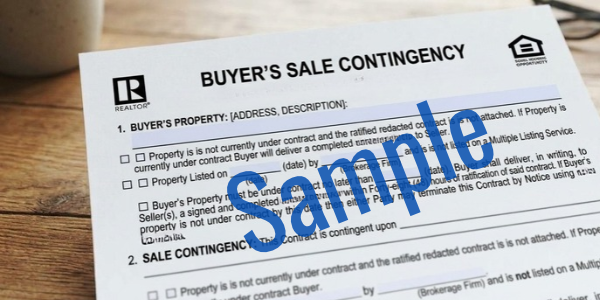
In South Carolina, when you receive an offer with a home sale contingency, the offer includes a sale contingency addendum attached to the purchase contract. The addendum spells out where the buyer's home stands (not yet on the market, listed or under contract), the dates it has to hit, and what each side can do if those dates slip. The specific dates and response windows are negotiated, so every contingent offer reads a little differently.
Where is the buyer's home in the process?
This is the question that shapes everything else. A buyer whose home already has a contract presents a very different risk than a buyer who hasn't listed yet. Here's how we walk sellers through the three most common situations.
Scenario 1: The buyer's home is already under contract
This is the version most Charleston area sellers are willing to consider. The buyer's home has a buyer of its own, and the main remaining question is whether that sale closes on schedule. You'll want to know when it's set to close and whether that contract has its own contingencies still open. A short gap between their closing and yours is easier to plan around than a long one.
Scenario 2: The buyer's home is listed but not under contract
Here the buyer still has to find a purchaser, negotiate, and close before your sale can move forward. Most sellers in our market will pass on this version or counter it. If you do consider it, the deadline for the buyer's home to go under contract becomes the most important date in your agreement, because it tells you how long you might wait before you know where you stand.
Scenario 3: The buyer's home isn't listed yet
This carries the most risk of the three. The buyer hasn't started the process of selling, so you'd be waiting on every step from listing photos to closing. It's less common for sellers to accept this, and we'd want to talk through your own timeline carefully before you consider it.
What protections do South Carolina sale contingency terms give sellers?
The standard South Carolina sale contingency addendum builds in more structure than many sellers expect. It isn't an open-ended promise that the buyer's home will sell someday.
First, it sets two deadlines: a date by which the buyer's home must be under contract and a later date by which that sale must close. If the buyer's home isn't under contract by the first date, either party can terminate. If the buyer's sale falls through after that date but before the closing deadline, either party can terminate then, too.
Second, it allows you to keep marketing your home and accept a backup offer. When you accept a backup, the buyer gets a set number of days, negotiated up front, to respond. They can show that their home is under contract and set to close by the deadline with only a financing contingency remaining, remove the sale contingency if they don't need their home's sale to buy yours, step back into backup position, or terminate. This is often called a kick-out clause, and it's what keeps a contingent offer from taking your home off the table indefinitely.
Third, it asks the buyer to make good-faith efforts to sell and to keep you and the agents informed about how their sale is going. That ongoing communication is a big part of how we keep our sellers updated while a contingency is in place.
Is a higher contingent offer better than a lower offer without one?
Not automatically. A higher contingent offer adds a dependency on a home you don't control and a timeline that someone else's buyer helps set. A slightly lower offer without a home sale contingency removes that dependency entirely.
The financing piece matters here as well. A lender letter shows what a buyer can borrow, but if their loan depends on the proceeds from their current home, that sale is part of their financing picture. When we represent sellers, we stay in regular contact with the buyer's lender so we can spot issues early rather than at the last minute.
How should you compare a contingent offer with your other options?
Compare the whole offer, not just the number. We look at price, where the buyer's home stands, each deadline in the contingency, the financing, the earnest money amount and when it's due to the closing attorney, and the proposed closing date. We also study market activity where your current home sits as well as the market where the buyer's current home sits.
For example, a buyer whose home has been on the market for one week, hasn't ratified an offer yet, and is listed at a high price in an area where homes are sitting on the market for 50+ days and sellers are receiving 95% of their original list price isn't providing a compelling reason for you to take your house off the market for them.
Just as important is your own next move. If you're buying another home, a delay on your sale can ripple into your purchase. Thinking through what you'd do if the contingent sale fell apart, before you accept it, makes the decision much clearer. And remember that you can counter on terms, not just price, by tightening deadlines or shortening the buyer's response window.
Frequently Asked Questions
Should I accept a contingent offer if the buyer's home isn't listed yet?
It's the riskiest version of a contingent offer, and most Charleston area sellers decline it. The buyer still has to list, find a purchaser, negotiate, and close before your sale can move. Talk through your timeline with your agent before considering it.
Can I keep showing my home after accepting a contingent offer?
Yes, South Carolina's standard sale contingency addendum allows you to continue marketing your home and accept a backup offer. Accepting a backup starts the buyer's response window, which is negotiated when you agree to the contract.
What happens when I accept a backup offer?
The original buyer has a set number of days to respond. They can show their home is under contract and on track to close by the deadline, remove the contingency if they don't need their sale to buy, move into backup position, or terminate. If they don't respond properly in time, either party can terminate.
Can the buyer just remove the contingency to keep their place?
Only if they don't need the sale of their current home to fund the purchase of yours. A buyer who needs those proceeds can keep first position by showing their home is under contract and on track to close by the deadline instead.
What if the buyer's home doesn't sell in time?
The addendum sets deadlines for the buyer's home to go under contract and to close. If those deadlines aren't met, the contract can be terminated by written notice, and you can move forward with other buyers.
Bottom Line
A contingent offer isn't a bad offer, but it's a different kind of offer than one without a home sale contingency, and it should be weighed that way. In the Charleston area, most sellers only consider one when the buyer's home is already under contract. When you do accept one, South Carolina's standard terms give you real protections: firm deadlines, the ability to keep marketing, and a clear process if a backup offer comes in.
Thinking About Selling Your Charleston Area Home?
If you're planning to sell and want to understand how you'd handle a contingent offer before one ever arrives, we'd love to talk it through with you. We'll walk you through pricing, timing, and how to evaluate offers so you can feel confident when the time comes.
Schedule a seller consultation
Find out what your home is worth
Contact our team
Warmly,
Lauren, Tina and Gigi | Lauren Zurilla & Associates | Your Charleston Real Estate Experts | The Boulevard Company
Equal Housing Opportunity. Real estate licensees in South Carolina are regulated by the South Carolina Real Estate Commission. This article is general information, not legal, tax, or financial advice. For questions about specific contract language, consult a South Carolina real estate attorney.
Check out this article next