Living in the Lowcountry Means Understanding Flood Risk — Here's What You Need to Know
Flood insurance is one of the most important and often misunderstood pieces of the homeownership puzzle in the Charleston and Lowcountry area. Whether you’re preparing to buy, already own your home, or getting ready to sell, understanding flood insurance — what it covers, how to get it, and why it matters — can save you from real financial hardship and unexpected surprises at closing. Here’s what every Lowcountry homeowner needs to know.
Understanding the Risk
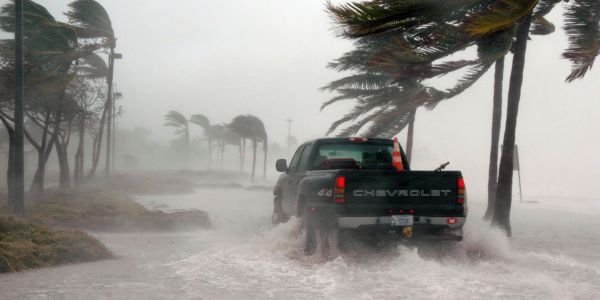
The Lowcountry’s geography is part of what makes it so beautiful — the marshes, tidal creeks, rivers, and coastline are woven into everyday life here. But that same landscape also makes the region naturally susceptible to flooding. Coastal storms and hurricanes can bring significant storm surges and heavy rainfall. Low-lying topography means water has fewer places to go. Tidal flooding is an everyday reality in many neighborhoods, not just an occasional event.
Every property in the Lowcountry sits within a FEMA-designated flood zone, and understanding which zone applies is important whether you’re buying, owning, or selling. Flood zones range from high-risk areas (such as Zone AE or VE) to moderate and lower-risk zones (including Zone X). You can look up any property’s flood zone on FEMA’s Flood Map Service Center, and detailed zone definitions for South Carolina are available through the SC Flood Impact resource. The zone a property is in directly affects whether flood insurance is required and what it will cost.
One thing worth knowing: roughly 20% of flood claims nationally come from properties in Zone X — the zone commonly called a “non-flood” zone. Being in a lower-risk area doesn’t mean flooding is impossible, and it doesn’t mean flood insurance isn’t worth having.
What Flood Insurance Covers — and What It Doesn’t
One of the most important things to understand is that a standard homeowners insurance policy does not cover flood damage. These are entirely separate coverages, and many homeowners don’t realize that until they’re filing a claim after a storm. Flood damage to your home’s structure and contents requires a separate flood insurance policy.
Through the National Flood Insurance Program (NFIP) — a federally backed program administered by FEMA — homeowners can purchase coverage for:
- Building coverage, which protects the structure of your home, including the foundation, electrical and plumbing systems, HVAC equipment, appliances, and flooring
- Contents coverage, which protects personal belongings such as furniture, clothing, and electronics
The NFIP is available to homeowners in communities that participate in the program, which includes most communities throughout the Charleston and Lowcountry area. Your local insurance agent can help you get a quote and walk through coverage limits and options.
It’s also worth noting that flood insurance policies typically have a 30-day waiting period before they go into effect. The good news for buyers: when a flood insurance policy is purchased in connection with a new mortgage, that waiting period is waived — so coverage can be in place at closing. That said, it’s still important to get the process started early and not leave it to the last minute.
What Buyers Need to Know
If you’re financing your home purchase and the property is located in a designated Special Flood Hazard Area (SFHA), your mortgage lender will require flood insurance before closing — no exceptions. Even if you’re purchasing in a lower-risk zone, carrying flood insurance is often a smart choice.
Before you make an offer, we’ll help you understand the flood zone and cost of the current flood insurance on the property so there are no surprises. Knowing the annual premium upfront is an important part of understanding the true carrying cost of any home here in the Lowcountry.
Here are some key things we’ll look at together:
- What flood zone the property is in, and what that means for coverage requirements
- Whether the home has a history of flooding or prior flood insurance claims
- Whether there is an existing NFIP policy that could be transferred to you at closing — which can be a significant advantage if the current premium reflects a favorable rate
- Whether an elevation certificate is on file for the property — while not required, an elevation certificate can sometimes qualify a home for a lower insurance rate
Once you’re under contract, we’ll encourage you to connect with your insurance agent promptly to get your flood policy in place. Because the waiting period is waived when coverage is tied to a new mortgage, you have some flexibility — but starting early keeps the closing process running smoothly.
What Sellers Need to Know
Flood insurance isn’t just a buyer’s concern. If you’re selling your home in the Lowcountry, it’s important to keep your flood insurance policy current and active all the way through closing. Allowing your policy to lapse before closing can create complications for the transaction and may affect your coverage if a flooding event occurs while the home is still in your name.
If you have an existing NFIP policy, it may be transferable to the buyer — which can be a real selling advantage, especially if your current premium reflects a grandfathered rate. Your insurance agent can explain whether your policy is assumable and what that process looks like.
Sellers should also be prepared to disclose flood zone status and any prior flood damage history, as required by South Carolina disclosure law. Being upfront and organized about this information builds buyer confidence and keeps the transaction moving smoothly.
Investing in Peace of Mind
For anyone living in, buying into, or selling in the Lowcountry, flood insurance is simply part of responsible homeownership. The financial cost of repairing flood damage — which can run into tens of thousands of dollars or more — is far greater than the cost of maintaining coverage. And in a region where the water is both a draw and a reality, being prepared isn’t pessimism. It’s just good planning.
Need a recommendation for a local insurance agent who knows the Lowcountry market? We’re happy to connect you with trusted resources. Reach out anytime — we’re always here to help.
🏠 Have questions about buying or selling in the Lowcountry? We’d love to help. Contact us here or schedule a buyer or seller consultation today!
Warmly,
Lauren, Tina and Gigi | Lauren Zurilla & Associates — Your Charleston Area Real Estate Experts
Check out this article next