Buying a home in the Charleston area comes with a lot of moving parts—and the inspection process is one of the most important ones to understand before you make an offer.
If you’re considering buying a home in South Carolina, knowing how inspections work—and what they’ll cost you—is an important part of planning your purchase. As the buyer, you’re responsible for paying for the home inspection, as well as any additional inspections you choose to have conducted.
Understanding this upfront helps you budget accurately, ask better questions, and approach the process with confidence from day one.
When Do I Get to Have Inspections on a House?
In South Carolina, buyers have a negotiated due diligence period built into the purchase contract. This is your dedicated window of time to investigate the property thoroughly before committing to the purchase. All of your inspections should be scheduled and completed during this period.
This structure exists to protect buyers—it gives you time and space to make a fully informed decision before you’re locked in.
What Is a Home Inspection?
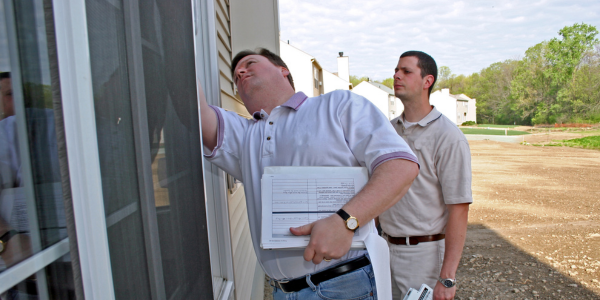
A home inspection is a professional, visual evaluation of the property’s condition conducted by a licensed inspector. It’s not a pass/fail test—it’s a detailed assessment of what the home’s systems and structure look like at the time of the inspection. A thorough inspection typically covers:
- The foundation, framing, and roof
- HVAC, plumbing, and electrical systems
- Windows, doors, and insulation
- Visible signs of moisture, damage, or deferred maintenance
After the inspection, you’ll receive a written report documenting the inspector’s findings. That report becomes a key tool in deciding how to move forward with your purchase.
What Additional Inspections Should You Consider?
Depending on the property, you may want to budget for specialty inspections beyond the standard one. Common additional inspections in the Charleston area include:
- Mold or moisture testing — especially relevant given the Lowcountry’s humidity and older housing stock
- HVAC inspection — sometimes done as a standalone when the system is older or hasn’t been recently serviced
- Roof inspection — if the age or condition warrants a closer look beyond the general inspection
- Sewer scope or septic inspection — important for older homes or properties on septic systems
- Crawl space or encapsulation evaluation — common in the Lowcountry where moisture management below the home matters
Your real estate agent can help you determine which inspections make sense for the specific property you’re purchasing. Not every home needs every inspection—but knowing your options helps you ask the right questions going in.
What Does a Home Inspection Cost in the Charleston Area?
Home inspection costs vary based on the size, age, and type of property, but here’s a general range to help you plan:
- Standard home inspection: typically $350–$600
- Specialty inspections (mold, sewer scope, HVAC, etc.): typically $100–$300+ each
For most buyers, you’re looking at a total inspection investment somewhere between $400 and $900 depending on what’s needed. It’s one of the most important investments you’ll make in the buying process. A thorough inspection can save you from walking into a home with undisclosed issues—or give you the information you need to negotiate effectively.
What Happens After the Inspection?
Once you have your inspection report in hand, you have a few paths forward during the due diligence period. The most common route—and often the most practical—is to request repairs or negotiate a credit toward closing costs. Asking the seller to make repairs means you won’t have to deal with making the repairs after closing, while a credit gives you the flexibility to address items on your own timeline after closing. Your agent will help you identify which findings are worth negotiating and how to frame the request in a way that’s reasonable given current market conditions.
If the inspection comes back clean or the findings are minor, you may simply choose to move forward as-is. And if something significant is uncovered that changes how you feel about the property, you have the option to terminate the contract during your due diligence period.
Whatever the outcome, your agent will help you read the report, prioritize what matters, and make the decision that’s right for your situation.
The Bottom Line: Inspections Are One of Your Best Tools as a Buyer
Yes, the cost falls to you—and that’s actually a good thing. Because the inspection is your investment, the inspector works for you. Their job is to give you an honest, thorough picture of the home’s condition so you can make the most informed decision possible. In a market like Charleston’s, where homes can move quickly and buyers sometimes feel pressure to decide fast, having that detailed report in your hands is invaluable.
Think of the inspection not as a hurdle, but as your due diligence—quite literally. It’s the step that turns a big financial leap into a well-informed decision.
Have Questions About the Inspection Process in South Carolina?
We’re happy to walk you through what to expect at every step of the buying process in the Charleston area. Whether you’re just starting your search or already under contract, reach out anytime—we’re here to help. Visit our Buyer’s Guide or Buyer FAQs for more resources, or contact us directly to set up a consultation.
Warmly,
Lauren, Tina and Gigi | Lauren Zurilla & Associates — Your Charleston Area Real Estate Experts
Check out this article next