In the Lowcountry, the CL100 is a standard part of most home sales — here's what to expect when the report comes back with findings.
A failed CL100 inspection is one of the most common hurdles in South Carolina home sales — but it’s also one of the most manageable. Here’s what the report covers, what it means when a home doesn’t pass, and how buyers and sellers can respond with confidence.
What Is a CL100 Inspection?
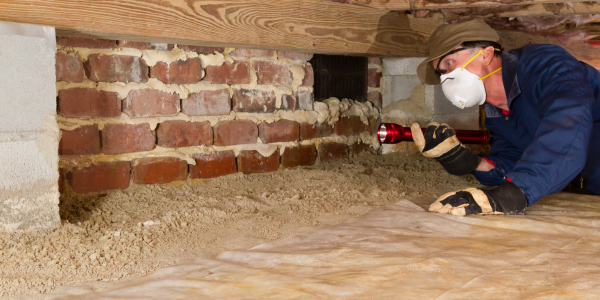
In South Carolina, the CL100 — formally called the Wood Infestation Report — is a specialized inspection conducted by a licensed pest control professional. It evaluates accessible wood structures for termite activity or prior infestation, wood-destroying fungi or decay, moisture levels above roughly 20% in crawlspaces and other structural areas, and visible damage to sills, joists, beams, and similar components. The report must be completed within 30 days of the anticipated closing date.
Importantly, the CL100 is a separate contingency in the South Carolina residential contract of sale — it’s distinct from the general home inspection and due diligence process. Buyers can choose whether or not to include it as part of their offer, unless it is required by their lender. We almost always recommend it, particularly in the Mount Pleasant area, where the coastal climate creates conditions that are especially hard on wood structures. Want a deeper overview? Read our full CL100 guide here.
What Does It Mean When a Home “Fails”?
When a CL100 comes back with findings, the report is considered “not clear.” That can mean the inspector found active termite activity or wood-destroying insects, moisture or fungal decay in structural wood, or damage that has not been properly treated or repaired. None of this automatically ends a transaction — but it does mean that the issue needs to be addressed before closing can move forward.
It’s worth noting that not every finding is a crisis. Sometimes it’s a past infestation that was already treated but never documented. Sometimes it’s a moisture reading that’s slightly elevated in one corner of a crawlspace. The severity of the finding really does matter, and a good agent will help you keep perspective.
Common Fixes After a Failed CL100
Depending on what the inspector finds, remediation might involve termite treatment (chemical barriers or bait systems), replacing or reinforcing damaged structural wood, installing vapor barriers or a dehumidifier in the crawlspace, improving ventilation, or addressing drainage issues that are contributing to elevated moisture. The goal is to eliminate active issues, prevent recurrence, and produce a clean report in advance of closing.
In some cases, both parties may agree to remove the CL100 contingency from the contract entirely. We’ve seen this happen when the issues noted are relatively minor and the buyer is comfortable handling them independently rather than delaying the sale. That’s always a conversation to have carefully, with a clear understanding of what’s being waived.
What Buyers Should Know
If you’re the buyer and the CL100 comes back with findings, it’s understandably unsettling — but it’s also useful information you wouldn’t want to discover after closing. Here’s how to approach it:
Start by asking the seller for their remediation plan. Under a standard SC contract with a CL100 contingency, the seller is responsible for addressing findings. You want to see the plan for treatment and repair before work begins, and documented proof — paid invoices from licensed professionals — once the work is done.
If the findings are significant and the seller’s response doesn’t fully resolve your concerns, there may be room to negotiate — a price adjustment, a credit at closing, or a re-inspection by your own licensed professional. Your agent should be guiding you through those options based on the specifics of your situation.
Finally, make sure you have all documentation in hand before closing: proof of treatment, repair receipts, and a re-inspection report if one was needed. You don’t want loose ends.
What Sellers Should Do
If you’re selling a home in the Charleston area, a failed CL100 can slow things down and unsettle an otherwise confident buyer — but it’s entirely manageable when you handle it proactively. Some sellers choose to order a pre-listing CL100 before going on the market, and it can make sense in certain situations: if you haven’t been in your crawlspace in years, if you’ve had past moisture issues, or if you simply want to know what you’re working with before a buyer does. That said, it’s not something we recommend across the board — it’s a conversation worth having based on your specific home and circumstances.
If a finding comes up after you’re under contract, move quickly. Hire a licensed pest control company and a qualified contractor to address both the infestation or moisture issue and any structural damage. Resolve the root cause, not just the symptom. Document everything — paid invoices, treatment records, contractor receipts — so you can demonstrate to the buyer that the home is clean and compliant.
The Bottom Line
A failed CL100 doesn’t have to end a transaction. In our experience, most findings are addressable — and handled well, they rarely derail a deal. What matters most is having the right team around you: an agent who understands the contract, knows how to negotiate, and can connect you with qualified professionals when you need them.
Whether you’re buying or selling in the Charleston area, we’re happy to walk you through the CL100 process and what to expect at every step. Reach out anytime — no question is too small.
Warmly,
Lauren, Tina and Gigi | Lauren Zurilla & Associates — Your Charleston Area Real Estate Experts
Check out this article next