
What Happens When the Appraisal Comes in Low? Understanding the Appraisal Gap
Whether you’re buying or selling in the Charleston area, you may have heard the term “appraisal gap” and wondered what it actually means for a transaction. It’s one of those concepts that sounds more complicated than it is. Here’s a straightforward look at what an appraisal gap is, how it tends to get resolved, and why it still matters even in a more balanced market.
What an Appraisal Gap Is
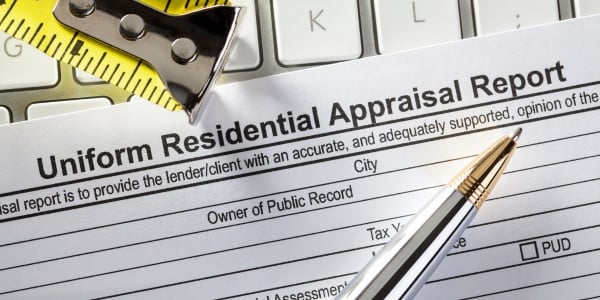
When a buyer is financing a home purchase, their lender orders an appraisal to confirm that the home’s value supports the loan amount. An appraisal gap occurs when that appraised value comes in lower than the price the buyer and seller agreed to in the contract.
As a simple example: if a home is under contract at one price and the appraisal comes back lower, there’s now a difference between what the lender will finance and what the buyer agreed to pay. That difference is the gap, and it has to be resolved one way or another before the transaction can close.
Why It Happens
Appraisals are based on recent comparable sales in the area. When a home sells for a price that’s difficult to support with recent closed sales data, the appraisal may not fully reflect the agreed contract price. This can happen even in a stable market, particularly with unique properties, homes in neighborhoods with limited comparable sales, or situations where a home’s condition or updates don’t have a strong parallel in recent nearby transactions.
An appraisal gap isn’t a sign that anything is wrong with the home or that the price was unreasonable. It’s simply a function of the data the appraiser is working from and the specific characteristics of the property.
How the Gap Gets Addressed
When an appraisal comes in below the contract price, the buyer and seller generally have a few paths forward. The parties can renegotiate the purchase price to bring it in line with the appraised value. The buyer can choose to bring additional cash to the closing table to cover the difference between what the lender will finance and the agreed price. Or, depending on the terms of the contract, the buyer may have the right to terminate.
Which path makes the most sense depends entirely on the specifics of the contract, the gap amount, and what both parties are willing to do. We’ve worked through appraisal situations in a variety of ways, and there’s rarely a one-size-fits-all answer. What matters most is that both sides understand their options clearly before making any decisions.
It’s also worth noting: there is no fixed rule for who covers an appraisal gap. It’s a negotiated outcome, not an automatic cost that falls to one party.
What It Means for Sellers
For sellers, an appraisal that comes in below the contract price can feel like a setback, but it doesn’t have to end the transaction. In many cases, there’s room to work through it. Your agent will walk you through what the appraisal says, what your options are, and what a renegotiation might look like if that’s the direction things go.
Understanding that this possibility exists, and having an agent who has navigated it before, makes a significant difference in how smoothly the situation gets resolved.
What It Means for Buyers
If you’re financing your purchase and the appraisal comes in below your contract price, your lender will let you know quickly. At that point, you and your agent will work through your options together. It’s worth understanding this scenario before you go under contract, particularly if you’re purchasing a home that’s priced at or near the top of what comparable sales can support.
Having a candid conversation with your agent about appraisal risk for a specific property is always a reasonable step, and one we build into our buyer conversations regularly.
Have Questions About a Specific Property or Offer?
Appraisal situations are manageable when both sides have clear guidance and a calm approach. If you’re buying or selling in the Charleston area and want to talk through how this could apply to your transaction, we’re happy to help. Reach out to schedule a consultation, or explore our Buyer’s Guide and seller resources for more on how the contract process works from start to finish.
Lauren, Tina and Gigi | Lauren Zurilla & Associates — Your Charleston Area Real Estate Experts
Lauren Zurilla & Associates is committed to Fair Housing and provides equal professional service to all without regard to race, color, religion, sex, handicap, familial status, or national origin.
Check out this article next