The Charleston Area Is Full of Great Neighborhoods — Here's How to Find Yours
One of the first questions we hear from buyers considering a move to the Lowcountry is: 'So where exactly should I live?' It's a fair question — and a bigger one than it might seem. The Charleston area isn't one place. It's a collection of distinct communities, each with its own personality, landscape, and pace of life. Waterfront towns, urban neighborhoods, wide-open acreage, master-planned communities — they're all here, and they're all very different from one another.
We've worked with buyers across all of these areas for years, and what we've found is that the right neighborhood is rarely just about price or square footage. It's about how you want to live. This overview is meant to give you a real sense of what each area feels like — so you can start narrowing in on the places worth exploring.
Charleston
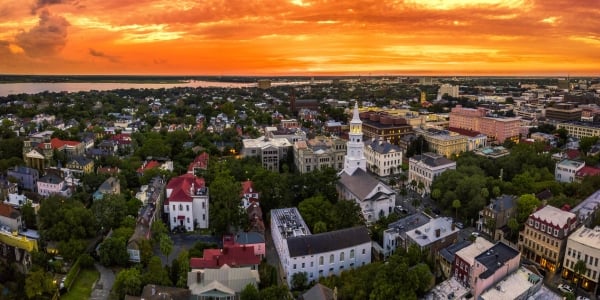
Downtown Charleston is one of the most architecturally stunning cities in the country, and living here means being surrounded by that history every day. The streets are walkable, the restaurants are world-class, and the mix of centuries-old homes alongside beautifully renovated properties makes it a remarkable place to put down roots. The Charleston peninsula has real neighborhoods within it — from the South of Broad area with its grand historic homes, to the increasingly vibrant upper peninsula where new restaurants and businesses continue to open. If you want to be at the center of it all, this is where that happens.
Keep in mind that Charleston proper is also home to some of the most competitive and nuanced real estate in the region. Historic designation, flood zone considerations, and a limited supply of homes all play into the buying process here. We'd love to walk you through what that looks like in more detail.
Mount Pleasant
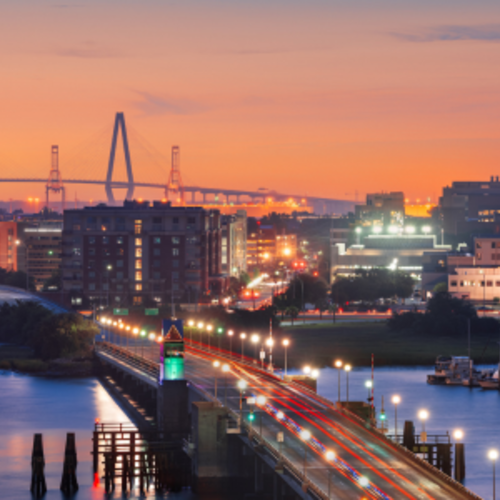
Mount Pleasant sits just across the Ravenel Bridge from downtown Charleston, and it's consistently one of the most sought-after places to live in the area. It offers a range of neighborhoods — from the charming, established feel of the Old Village to the newer planned communities in the north end of town. Shem Creek runs through the heart of it, and access to beaches, marinas, and open water is a genuine part of daily life for many residents here.
The community has grown significantly over the years, and with that growth has come a strong infrastructure of parks, trails, and shopping. There's also a range of housing options at various price points, from older cottages close to the water to larger homes on the north end of town. It's a genuinely versatile community, and one we know extremely well — our office is here and many of our sellers and buyers have called Mount Pleasant home.
Daniel Island
Daniel Island is a master-planned community that sits between Charleston and the Cainhoy peninsula, and it has a look and feel unlike anywhere else in the region. The streets are walkable, the homes are beautifully designed, and the community amenities — including golf, tennis, and waterfront access — create a resort-like quality to everyday living. There's a genuine town center with restaurants, shops, and services, so residents can take care of a lot without ever leaving the island.
Real estate on Daniel Island tends to command a premium, and that reflects both the lifestyle and the quality of the community's design. If you're drawn to a neighborhood with a strong sense of place and a built-in community feel, Daniel Island is worth a close look.
West Ashley
West Ashley occupies the land west of the Ashley River, directly connected to downtown Charleston via several bridges, and it offers a distinctly different experience from the peninsula. The area is a mix of older neighborhoods with mature trees and established character alongside newer development. Historic Middleton Place and Drayton Hall are located here, which gives you a sense of just how deeply the Lowcountry landscape runs through this part of town.
For buyers who want to be close to the energy of Charleston without paying downtown prices, West Ashley often offers more space and more house for the money. The West Ashley Greenway — a multi-use trail running through the area — is a favorite among walkers, runners, and cyclists. If you value proximity to the city alongside a slightly quieter setting, this area deserves a serious look.
James Island
James Island is tucked between West Ashley and Folly Beach, and it has a laid-back, coastal character that its residents tend to love. It's not as large or densely developed as some other parts of the market, which is part of the appeal — it feels manageable and a bit quieter than its neighbors. The drive to Folly Beach takes just minutes from most parts of the island, and downtown Charleston is also easily accessible.
The housing stock on James Island is a mix of older ranch-style homes, updated cottages, and more recent construction, and the price range varies accordingly. If being close to the beach matters to you but you're not looking to live directly on it, James Island is a natural fit to explore.
Wando and Cainhoy — A Peninsula in the Middle of a Transformation
If you want to understand where the Charleston-area market is heading, pay attention to the Wando and Cainhoy corridor. Located north of Daniel Island along Clements Ferry Road, this area has historically been defined by pine forests, marsh views, and a rural pace of life that felt worlds away from downtown. That is changing — and changing fast.
At the center of it is Point Hope, a master-planned community being developed by the same team behind Daniel Island, on roughly 9,000 acres of what was once the historic Cainhoy Plantation . The vision is ambitious: a live-work-play community that could eventually encompass up to 12,000 homes along with schools, shopping, trails, and commercial development. Philip Simmons Elementary, Middle, and High Schools are already open and serving the community, and a Publix-anchored retail center, restaurants, and additional commercial tenants have brought genuine everyday convenience to the area.
What makes Point Hope notable isn't just its scale — it's the deliberate planning behind it. Roughly half of the 9,000 acres is intended to remain undeveloped, with 650 acres placed into a permanent conservation easement and over 1,000 acres designated for parks, trails, and green space. The community is designed around a trails-first philosophy, with miles of paths already connecting neighborhoods, schools, and natural areas, and plans for an eventual 72-mile trail network as the project builds out. The landscape along the Wando River and Beresford Creek remains very much part of the experience.
For buyers, Wando and Cainhoy represent a genuine opportunity to be part of something in the making. This corridor is positioned to absorb significant demand over the coming years as neighboring communities reach capacity. That growth comes with trade-offs — traffic on Clements Ferry Road is a real concern that local officials are actively working to address — but for buyers who value newer construction, trail-connected community living, and proximity to both downtown and the broader East Cooper area, Point Hope and the surrounding Cainhoy Peninsula deserve a close look.
Huger and Awendaw — Where the Lowcountry Stays Quiet
North and northwest of the Point Hope activity, Huger and Awendaw offer something altogether different. Both communities border the Francis Marion National Forest — one of the largest national forests in the Southeast — and that geography shapes everything about the experience of living here. The landscape is extraordinary: longleaf pine forests, blackwater creeks, open marshes, and a sky that feels bigger than it does anywhere closer to town. Awendaw also borders the Cape Romain National Wildlife Refuge, adding another layer of protected land and wildlife habitat to an already remarkable natural setting.
Homes in these areas tend to sit on larger lots, and the market here is much more limited in inventory than anywhere else in the Charleston region. The trade-off for that space and quiet is real — services, shopping, and conveniences require a longer drive. But for buyers who are intentional about the kind of life they're after, and who want land, privacy, and an authentic connection to the Lowcountry landscape, Huger and Awendaw are in a category of their own.
Not Sure Where to Start? That's Exactly What We're Here For.
Finding the right community is a process, and it almost always starts with a conversation. We work with buyers from all over — people relocating here for the first time, longtime Lowcountry residents ready to make a change, and everyone in between. We genuinely enjoy helping people figure out where they'll thrive, and we bring real, firsthand knowledge of these communities to every conversation we have.
If you're ready to start exploring, we'd love to talk. Download our Buyer's Guide to get oriented, use our Area Guides to learn more about life in the Lowcountry, or reach out to us directly — we're happy to answer questions, share our perspective on specific neighborhoods, and help you figure out where to focus your search.
Warmly,
Lauren, Tina and Gigi | Lauren Zurilla & Associates — Your Charleston Area Real Estate Experts
Fair Housing Notice
We are pledged to the letter and spirit of U.S. policy for the achievement of equal housing opportunity throughout the Nation. We encourage and support an affirmative advertising and marketing program in which there are no barriers to obtaining housing because of race, color, religion, sex, handicap, familial status, or national origin.
Check out this article next